

How to Choose a GPS Tracker for Electric Scooter
Choosing the right GPS tracker for electric scooter is crucial for protecting your investment from theft and ensuring peace of mind. Whether you’re commuting daily or riding recreationally, a reliable GPS tracking system can mean the difference between recovering your stolen scooter and losing it forever. In this comprehensive guide, you’ll discover the essential features to look for, common pitfalls to avoid, and expert recommendations tailored specifically for first-time buyers.
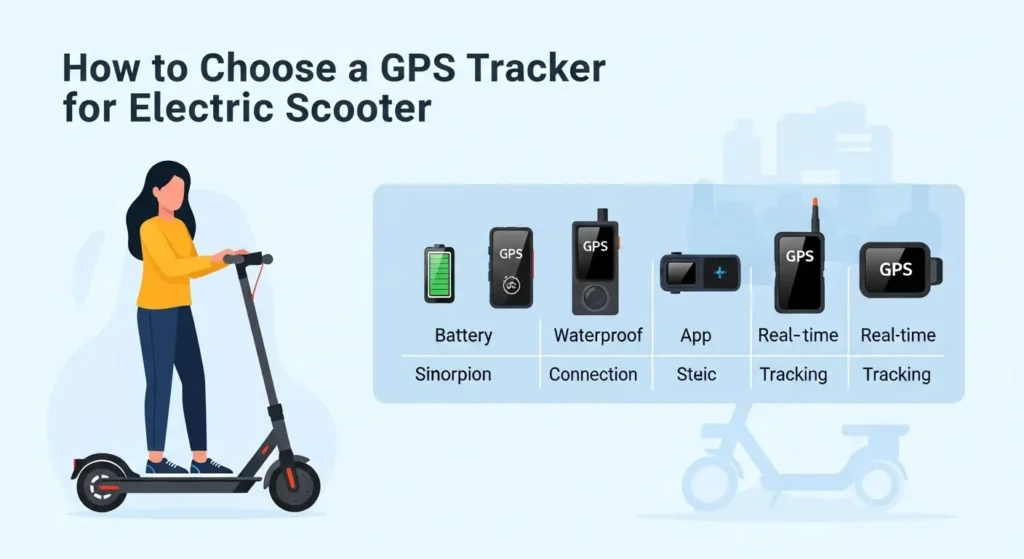
Electric scooter theft has become increasingly common in urban areas, with recovery rates remaining below 5% without tracking devices. A quality GPS tracker provides real-time location monitoring, instant theft alerts, and recovery assistance that dramatically improves your chances of retrieval.
This guide breaks down everything you need to know about selecting, installing, and using GPS tracking technology effectively. You’ll learn which features matter most and which are just marketing gimmicks.
Why GPS Tracking Matters for Your Scooter {#why-gps-tracking-matters}
Why a GPS Tracker for Electric Scooter Is Essential
Electric scooters represent a significant investment, with quality models ranging from $500 to $3,000. Without protection, you’re vulnerable to opportunistic thieves who can resell scooters within hours. GPS trackers provide 24/7 monitoring that activates the moment your scooter moves unexpectedly.
Statistics show that scooters with visible GPS tracking stickers deter 60% of potential thieves before they attempt theft. The psychological deterrent alone makes tracking systems worthwhile. Beyond theft prevention, GPS trackers help you locate misplaced scooters in crowded parking areas or remember where you last rode.
Modern GPS tracking systems integrate with smartphone apps, providing instant notifications when your scooter enters or exits designated safe zones. This geofencing technology ensures you’re always aware of your scooter’s status. Real-time tracking also helps optimize your riding routes and monitor battery consumption patterns.
The Cost of Not Having GPS Protection
Replacing a stolen electric scooter costs significantly more than investing in a GPS tracker upfront. Insurance deductibles typically range from $250 to $500, and premiums increase after theft claims. Many insurance companies now require GPS tracking for coverage on high-value scooters.
Without tracking, police recovery efforts rarely succeed due to limited resources and the speed at which stolen scooters disappear. Thieves dismantle scooters for parts or repaint them within 24 hours. GPS trackers provide law enforcement with precise coordinates, dramatically increasing recovery success rates to over 70%.
The average GPS tracker costs between $30 and $150, with monthly subscription fees ranging from $5 to $15. This investment pays for itself the first time it prevents a theft.
Common GPS Tracker Selection Mistakes {#common-mistakes}
Typical Errors When Choosing GPS Tracker for Electric Scooter
First-time buyers often prioritize price over functionality, selecting cheap trackers with poor battery life and unreliable connectivity. These budget options frequently lose signal in urban environments with tall buildings. Inadequate GPS technology wastes money and provides false security.
Another common mistake involves ignoring installation requirements and compatibility issues. Some trackers require professional installation or won’t fit discreetly on compact scooter frames. Visible trackers alert thieves to remove the device before stealing your scooter.
Many buyers overlook subscription costs and data plan requirements. A $40 tracker with $20 monthly fees becomes expensive over time. Always calculate total ownership costs before purchasing.
Why These Mistakes Are Problematic
Inadequate battery life: Trackers that die after 7 days require constant recharging and leave gaps in protection.
Poor signal strength: Devices that can’t maintain connection in parking garages or basements become useless when you need them most.
Complex installation: Trackers requiring wire splicing or battery modifications void scooter warranties and create safety hazards.
Limited coverage: GPS-only devices fail in areas without satellite visibility, while multi-network trackers use cellular and WiFi backup.
The solution involves researching comprehensive reviews, comparing total costs including subscriptions, and selecting trackers specifically designed for electric scooters. Prioritize reliability over price.
8 Essential Features to Consider {#essential-features}
Feature 1: Real-Time Location Tracking
Real-time GPS tracking updates your scooter’s location every 10 to 60 seconds, providing continuous monitoring through smartphone applications. This feature distinguishes premium trackers from basic models that update only when queried. Look for trackers offering 30-second refresh rates for optimal balance between battery life and accuracy.
Reliable location tracking requires multi-constellation satellite support, including GPS, GLONASS, and Galileo systems. This redundancy ensures accurate positioning even in challenging urban environments. Verify the tracker provides precise coordinates within 5 to 10 meters under normal conditions.
Advanced systems combine GPS with cellular tower triangulation and WiFi positioning for comprehensive coverage. This hybrid approach maintains tracking functionality in parking structures where satellite signals weaken.
Feature 2: Geofencing and Movement Alerts
Geofencing allows you to establish virtual boundaries around designated safe zones like your home or workplace. The GPS tracker for electric scooter sends instant alerts when your scooter exits these zones. Customize multiple geofences with different notification settings based on location risk levels.
Movement detection sensors trigger alerts when your scooter moves without authorization, even if thieves push it without powering on. Adjustable sensitivity prevents false alarms from wind or accidental bumps. Premium systems distinguish between authorized use and theft attempts.
Configure notification preferences for email, SMS, or push notifications based on urgency. Time-based geofencing disables alerts during your commute hours while maintaining protection overnight.
Feature 3: Extended Battery Life
Battery longevity determines how often you’ll need to recharge or replace tracker batteries. Quality devices offer 30 to 90 days of standby time on a single charge. Rechargeable lithium batteries provide better long-term value than disposable options.
Some trackers connect directly to your scooter’s battery, eliminating recharging concerns entirely. However, this installation method requires technical expertise and may void warranties. Solar-powered options extend battery life in sunny climates but add bulk.
Low-battery alerts notify you before tracking capability lapses. Choose trackers that maintain basic functionality in power-saving mode when batteries run low.
Feature 4: Compact and Discreet Design
Thieves specifically look for and remove visible GPS trackers before stealing scooters. Compact designs that hide within scooter frames, under seats, or inside battery compartments provide superior protection. Devices smaller than a matchbox offer the most installation flexibility.
Waterproof ratings of IP65 or higher protect against rain and moisture damage. Electric scooters encounter various weather conditions, requiring trackers built for outdoor exposure. Dustproof construction prevents sensor degradation.
Mounting systems should secure trackers firmly against vibration while allowing easy removal for charging. Adhesive mounts work well for smooth surfaces, while velcro straps suit irregular spaces.
Feature 5: Mobile App Integration
User-friendly smartphone applications provide the primary interface for managing your GPS tracker for electric scooter. Quality apps offer intuitive dashboards displaying current location, battery status, and alert history. Look for apps with high ratings and regular updates indicating ongoing developer support.
Essential app features include location history tracking, route playback, and speed monitoring. These analytics help optimize your riding patterns and identify unusual activity. Multi-device support allows tracking several scooters from one account.
Remote commands through apps enable features like siren activation or immobilization on advanced systems. Offline maps ensure you can navigate to your scooter’s location without cellular data.
Feature 6: Network Coverage and Connectivity
Cellular connectivity requires compatible networks in your area. Verify the tracker supports major carriers and offers roaming capabilities if you travel frequently. 4G LTE trackers provide faster updates than older 2G or 3G models.
Dual-SIM trackers automatically switch between networks for maximum reliability. This redundancy proves valuable in areas with spotty coverage from single carriers. International travelers need trackers supporting global frequency bands.
Monthly subscription costs vary based on network technology and data usage. Compare plans carefully, as some providers charge premium rates for real-time tracking versus periodic updates.
Feature 7: Historical Location Data
Historical tracking logs create detailed records of your scooter’s movements over days, weeks, or months. This data helps identify patterns in theft attempts or unauthorized use. Look for systems storing at least 90 days of location history.
Route playback features visualize your scooter’s path on maps, showing exact stops and timing. This information proves invaluable when filing police reports or insurance claims. Export capabilities allow sharing data with authorities.
Cloud storage ensures data preservation even if thieves destroy the physical tracker. Premium services offer unlimited historical data retention.
Feature 8: Customer Support and Warranty
Reliable customer support helps troubleshoot installation issues and technical problems quickly. Look for companies offering 24/7 phone support or live chat rather than email-only assistance. Response times under 2 hours indicate quality service.
Comprehensive warranties covering defects for at least 12 months protect your investment. Some manufacturers offer replacement programs if trackers fail during active theft recovery. Read warranty terms carefully regarding water damage and user modifications.
Active user communities and detailed online documentation provide additional support resources. Video tutorials simplify installation for first-time users.
GPS Tracker for Electric Scooter: First-Time Buyers Guide {#first-time-buyers}
Key Considerations for First-Time Buyers
First-time buyers should prioritize ease of installation over advanced features. Plug-and-play trackers requiring no technical expertise prevent installation errors that compromise functionality. Avoid devices requiring soldering or electrical modifications unless you have experience.
Budget $100 to $150 for a quality mid-range tracker that balances features with affordability. This price point typically includes essential capabilities without unnecessary premium features. Factor in 12 months of subscription costs when comparing total investment.
Research customer reviews specifically mentioning your scooter model or brand. Compatibility issues arise with certain frame designs or electrical systems. Contact manufacturers directly to confirm compatibility before purchasing.
Start with basic geofencing and movement alerts rather than overwhelming yourself with complex features. Master fundamental tracking capabilities before exploring advanced analytics. Most users find simple systems more reliable for daily protection.
Best Practices for First-Time Buyers
Choose trackers with free trial periods: Test functionality and app usability before committing to annual subscriptions.
Verify return policies: Ensure you can return incompatible or unsatisfactory trackers within 30 days.
Install trackers in hidden locations: Avoid obvious spots like handlebars or visible compartments that thieves check first.
Register your scooter: Link tracker serial numbers to your scooter’s identification for insurance documentation.
Test alerts regularly: Verify notifications work properly by triggering movement detection weekly.
Update firmware: Keep tracker software current for security patches and feature improvements.
Common mistakes for first-time buyers include neglecting to charge trackers before installation and forgetting to activate SIM cards. Follow manufacturer setup instructions precisely. Create strong passwords for tracking apps to prevent unauthorized access.
Advanced GPS Tracking Strategies {#advanced-strategies}
Pro Tips and Optimization
Advanced users install multiple trackers in different scooter locations for redundancy against device removal. Hide a primary tracker in an accessible location for regular charging and a backup unit in a difficult-to-reach spot. This dual-tracker strategy costs more but maximizes recovery chances.
Integrate GPS tracking with additional security measures like U-locks, disc brake locks, and alarm systems for comprehensive protection. Layered security forces thieves to spend more time attempting theft, increasing detection probability. Visible deterrents combined with hidden tracking create optimal protection.
Configure tracking sensitivity based on parking location risk levels. High-sensitivity alerts work well in public areas, while reduced sensitivity prevents false alarms at home. Schedule automatic sensitivity adjustments through app automation features.
Monitor battery health metrics to predict replacement needs before failure. Most trackers provide charging cycle counts and capacity degradation data. Replace batteries showing over 20% capacity loss for reliable performance.
Maximizing Recovery Success Rates
Immediate action after receiving theft alerts dramatically improves recovery outcomes. Contact police within 15 minutes while the scooter remains trackable. Provide real-time location updates as thieves move your scooter.
Never attempt personal recovery without law enforcement assistance. Confronting thieves creates dangerous situations and may result in injury. Share tracking data with police and let professionals handle retrieval.
Maintain detailed documentation including photos, serial numbers, and purchase receipts alongside GPS tracking records. This evidence strengthens insurance claims and police reports. Store documentation in cloud services for accessibility.
Join local electric scooter communities and share theft alerts immediately. Network effects help spot stolen scooters and provide additional eyes monitoring your area. Many communities maintain stolen scooter databases with GPS coordinates.
Frequently Asked Questions {#faqs}
Q: How accurate is a GPS tracker for electric scooter in urban areas?
Modern GPS trackers achieve accuracy within 5 to 10 meters under optimal conditions with clear sky visibility. Urban environments with tall buildings create signal interference that reduces accuracy to 15 to 30 meters. Multi-constellation trackers using GPS, GLONASS, and Galileo satellites maintain better accuracy in challenging conditions.
Hybrid systems combining GPS with cellular tower triangulation and WiFi positioning improve urban accuracy significantly. These technologies work together to pinpoint locations even when satellite signals weaken. Expect slightly lower accuracy in dense downtown areas or parking garages.
Q: Can GPS trackers work without monthly subscription fees?
Some GPS trackers operate without subscriptions by using Bluetooth connectivity instead of cellular networks. However, Bluetooth-only trackers have severe range limitations of 100 to 300 feet, making them ineffective for theft recovery. They only work when your phone is nearby.
Most effective GPS trackers require cellular data subscriptions ranging from $5 to $15 monthly for real-time tracking capabilities. This recurring cost enables continuous monitoring and instant alerts from any distance. One-time purchase trackers without subscriptions typically lack essential features.
Q: What is the most important feature of a GPS tracker for electric scooter?
Real-time location tracking with instant movement alerts represents the most critical feature for theft prevention and recovery. This capability enables immediate response when unauthorized movement occurs. Without real-time updates, thieves gain significant head starts that reduce recovery chances.
Battery life comes second in importance, as trackers that die frequently create protection gaps. Aim for minimum 30-day battery life with low-battery alerts. Reliable connectivity through multiple networks ensures tracking functions consistently across different locations.
Q: How long do GPS tracker batteries typically last?
Rechargeable GPS tracker batteries last 30 to 90 days depending on usage patterns and update frequency. Trackers pinging location every 30 seconds drain batteries faster than those updating hourly. Power-saving modes extend battery life but reduce tracking precision.
Hardwired trackers connected to scooter batteries eliminate recharging requirements entirely but require professional installation. Replaceable lithium batteries in some models last 6 to 12 months before needing replacement. Solar-powered options extend intervals between charges in sunny climates.
Q: Can thieves disable or remove GPS trackers?
Sophisticated thieves specifically check for and remove visible GPS trackers before stealing scooters. This reality makes discreet installation absolutely essential for protection. Hide trackers deep within scooter frames or inside sealed compartments that require tools to access.
Some advanced trackers include tamper alerts that notify you if someone attempts removal. Dual-tracker setups provide backup protection if thieves find and destroy one device. No security measure is foolproof, but hidden placement dramatically increases effectiveness.
Q: Are GPS trackers waterproof for outdoor scooter use?
Quality GPS trackers designed for electric scooters feature IP65 or IP67 waterproof ratings protecting against rain and splashing. IP65 provides protection from water jets, while IP67 allows temporary submersion. These ratings ensure reliable operation in various weather conditions.
Verify waterproof specifications before purchasing, as some cheap trackers lack adequate sealing. Water damage voids most warranties unless properly rated. Install trackers in protected locations when possible to maximize longevity.
Conclusion
Selecting the right GPS tracker for electric scooter requires balancing features, cost, and ease of use based on your specific needs. First-time buyers should prioritize real-time tracking, extended battery life, and discreet design over complex advanced features. Start with mid-range options offering proven reliability rather than budget alternatives with limited functionality.
Remember that GPS tracking forms just one layer of comprehensive scooter security. Combine tracking technology with physical locks and safe parking practices for maximum protection. Install trackers in hidden locations and test functionality regularly to ensure reliable operation when needed.
The relatively small investment in quality GPS tracking pays significant dividends through theft deterrence and recovery capabilities. Calculate total ownership costs including subscriptions, and choose trackers with strong customer support. Your scooter represents a valuable investment worth protecting with professional-grade tracking technology.
Take action today by researching compatible trackers for your specific scooter model and establishing security protocols. The peace of mind from knowing your scooter’s location at all times makes GPS tracking an essential accessory for modern electric scooter ownership.