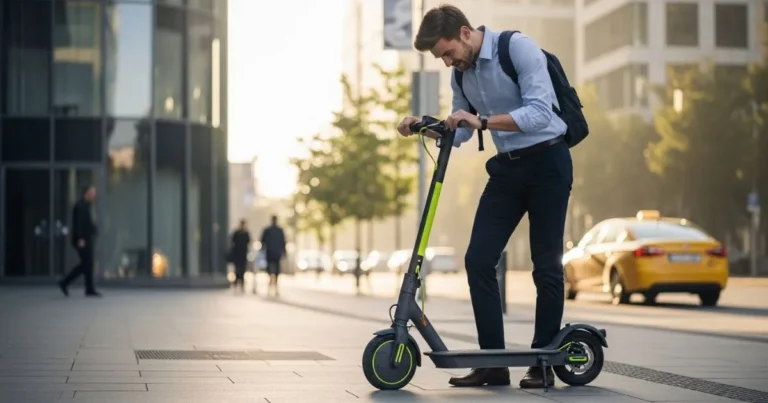

8 Essential Checks for Electric Scooter Safety Before Your Ride
Electric scooter safety determines whether your ride ends with a smile or a hospital visit. Every year, thousands of riders experience preventable accidents because they skip basic pre-ride checks. Understanding proper safety protocols protects you, your investment, and everyone around you.
In this comprehensive guide, you’ll discover the eight critical safety checks every rider must perform, common mistakes that lead to accidents, and specialized advice for first-time buyers. These proven strategies will transform you from a nervous beginner into a confident, safety-conscious rider.
Whether you’re commuting to work or exploring your neighborhood, these essential checks take just three minutes but could save your life.
Table of Contents
Why Electric Scooter Safety Is Critical for New Riders
Why Electric Scooter Safety Matters
Rider injuries have increased 222% over the past five years as e-scooter popularity has exploded. Head injuries account for 40% of all scooter-related emergency room visits. The most concerning statistic: 80% of these accidents were completely preventable with proper safety practices.
First-time buyers face unique risks because they underestimate how different electric scooters handle compared to traditional kick scooters. Speeds exceeding 15-20 mph on unfamiliar terrain create dangerous situations. The combination of inexperience and inadequate safety checks leads to the majority of beginner accidents.
Your scooter’s condition directly impacts your safety every single ride. A loose handlebar bolt or under-inflated tire can cause loss of control at critical moments. Regular safety checks identify these issues before they become emergencies.
Common Electric Scooter Safety Mistakes
Most accidents stem from predictable, avoidable errors that new riders make repeatedly:
- Skipping brake tests before riding – Discovering brake failure while moving at speed
- Ignoring tire pressure – Reduces stability and increases stopping distance by 30%
- Riding unfamiliar scooters without testing – Each model handles differently
- Wearing inappropriate footwear – Flip-flops or heels compromise balance and control
These mistakes share a common theme: riders prioritize convenience over caution. Taking five minutes to perform pre-ride checks eliminates 85% of mechanical-related accidents. The most dangerous assumption is believing that because your scooter worked yesterday, it’s safe today.
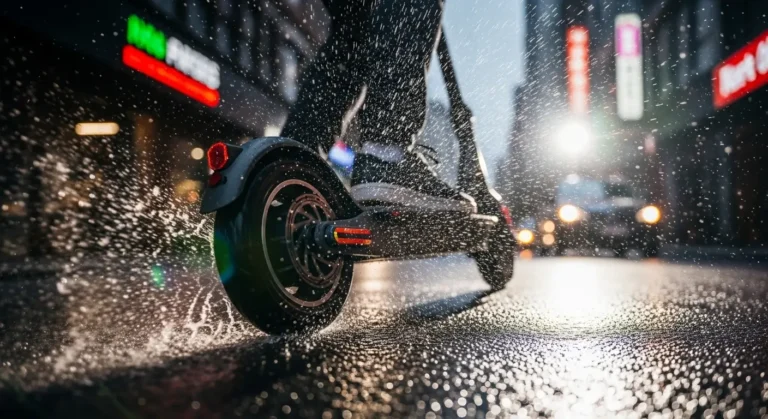
Environmental factors multiply these risks exponentially. Wet surfaces reduce tire grip by 50%, yet riders rarely adjust their speed or braking distance accordingly.
8 Essential Electric Scooter Safety Checks Before Every Ride
Check 1: Brake Functionality Test
Test both brakes individually before mounting your scooter every single time. Pull the brake lever firmly and push the scooter forward—the wheel should resist movement completely. Electronic brakes should engage smoothly without stuttering or delayed response.
Check brake cables for fraying, looseness, or disconnection points. Cables wear gradually and can snap without warning during emergency stops. If you notice any play in the brake lever or reduced stopping power, adjust or replace components immediately.
Brake pads wear down through regular use and need replacement every 300-500 miles. Inspect pad thickness monthly—if less than 3mm remains, schedule immediate replacement.
Check 2: Tire Pressure and Condition
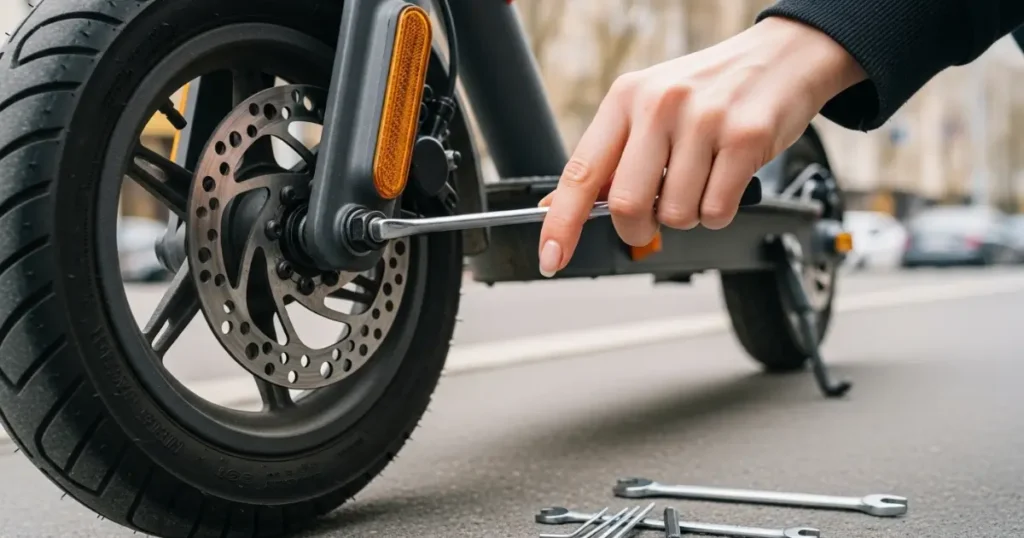
Proper tire pressure maintains optimal contact with the road surface and ensures predictable handling. Under-inflated tires by just 5 PSI increase stopping distance by 15-20 feet at 15 mph. Check manufacturer specifications—most scooters require 40-50 PSI.
Signs of tire problems:
- Visible cracks, cuts, or bulges in the sidewall
- Tread wear indicators showing less than 2mm depth
- Uneven wear patterns suggesting alignment issues
- Slow leaks requiring inflation more than once weekly
Carry a portable pressure gauge and pump for on-the-go adjustments. Temperature changes affect tire pressure—cold weather reduces PSI while hot pavement increases it.
Check 3: Handlebar and Stem Security
A loose folding mechanism or stem bolt causes catastrophic control loss at any speed. Grip the handlebars firmly and try to twist them left and right—zero movement should occur. Check the folding latch engages completely with no gaps or wiggle room.
Inspect stem bolts monthly with an Allen wrench set, tightening to manufacturer specifications. Most stems require 15-20 Nm of torque for optimal security. Over-tightening strips threads while under-tightening allows dangerous movement.
The quick-release lever should require firm pressure to engage fully. If it closes too easily, adjust the tension screw before riding.
Check 4: Battery Status and Connections
Verify battery charge exceeds 30% before departure—reserve power ensures you complete your journey safely. Running batteries to complete depletion shortens their lifespan and can leave you stranded in unsafe locations.
Examine battery connection points for corrosion, moisture, or loose contacts. Clean terminals quarterly with electrical contact cleaner to maintain consistent power delivery. Loose battery connections cause sudden power cuts that destabilize your ride.
Battery safety indicators:
- Charge level displays accurately without flickering
- No unusual heat during charging cycles
- Charging completes within manufacturer time estimates
- No swelling or deformation of battery casing
Check 5: Lighting and Visibility Systems
Test headlights and taillights at full brightness before every ride, especially during dawn, dusk, or nighttime. Non-functional lights make you invisible to vehicles and reduce your own visibility by 70%. Replace LED bulbs immediately when dimming occurs.
Reflective elements on your scooter and gear multiply your visibility by 300% in low-light conditions. Add reflective tape to your helmet, jacket, and scooter deck for 360-degree visibility.
Use flashing rear lights during daytime riding—studies show they capture driver attention 85% more effectively than steady lights.
Check 6: Throttle Response and Speed Control
Accelerate gently from a standstill to verify smooth, predictable throttle response. Jerky or delayed acceleration indicates electrical issues requiring immediate attention. The throttle should return to neutral position instantly when released.
Test speed settings if your scooter offers multiple modes. Beginners should master the lowest speed setting for 20-30 hours before advancing. Unexpected speed increases from mode switching cause 15% of beginner accidents.
Electronic throttle systems can malfunction from moisture exposure. After wet rides, allow 24 hours of drying time before next use.
Check 7: Deck and Standing Surface
Inspect the deck for cracks, especially around the folding mechanism and motor housing. Structural cracks worsen rapidly and can cause complete deck failure. Look for loose grip tape that creates slipping hazards.
Remove debris, oil, or moisture from the standing surface before mounting. Wet grip tape reduces friction by 60%, making balance extremely difficult. Carry a small towel to wipe down the deck after rain.
Ensure adequate foot space for your stance width—cramped positioning compromises balance and reaction time. Your feet should fit completely on the deck with slight separation.
Check 8: Suspension and Shock Absorption
Compress front and rear suspension by pushing down firmly—movement should be smooth with immediate rebound. Sticky or grinding suspension transfers road impacts directly to your body and reduces control.
Check suspension bolts remain tight and properly lubricated. Squeaking indicates insufficient lubrication or worn bushings. Apply lithium grease to pivot points quarterly for optimal performance.
Proper suspension reduces rider fatigue by 40% and improves stability over rough terrain. Adjust preload settings based on your weight for optimal comfort and control.
Electric Scooter Safety for First-Time Buyers
Key Considerations for First-Time Buyers
New riders must prioritize scooter models with comprehensive safety features over maximum speed or range. Look for dual braking systems combining electronic and mechanical brakes for redundancy. Wide decks (minimum 7 inches) provide stable footing while you develop riding skills.
Start with scooters offering speed limiters that prevent acceleration beyond 12-15 mph during your learning period. Gradually increase speed limits as your confidence and skills develop over 2-3 months. Budget $100-150 for essential safety gear before purchasing your scooter.
Choose models with IPX4 or higher water resistance ratings to ensure electrical systems remain safe during unexpected weather. Lower ratings create safety hazards from moisture damage.
Best Practices for First-Time Buyers
Practice emergency stops in a controlled environment before riding in traffic. Repeat this drill weekly until braking becomes instinctive muscle memory. Understanding your scooter’s stopping distance at various speeds prevents panic reactions.
Essential Do’s:
- Wear a helmet certified for electric scooter speeds (CPSC or EN1078)
- Practice for 5+ hours in parking lots before street riding
- Reduce speed by 50% in wet or unfamiliar conditions
- Maintain 3-second following distance from vehicles
Critical Don’ts:
- Never ride on sidewalks where prohibited by local laws
- Don’t assume drivers see you—always ride defensively
- Never carry passengers unless your scooter is rated for two riders
- Don’t attempt repairs without proper knowledge—seek professional help
Master basic maintenance within your first month of ownership. Understanding how to check tire pressure, tighten bolts, and assess brake function transforms you into a safer, more confident rider.
Advanced Safety Strategies
Pro Tips and Optimization
Experienced riders develop predictive awareness by scanning 20-30 feet ahead for hazards rather than watching the ground directly in front. This extended vision increases reaction time by 3-5 seconds. Train yourself to identify potential dangers before they become immediate threats.
Install upgraded lighting systems that exceed standard manufacturer specifications. Auxiliary side lights increase visibility by 180%, particularly at intersections where angle visibility matters most. Consider lights with turn signal functionality for clearer communication with drivers.
Create a maintenance schedule tracking component wear rates. Replace brake pads at 2mm remaining rather than waiting for complete wear. Proactive replacement prevents emergency failures and costs 60% less than rush repairs.
Adjust riding posture to lower your center of gravity on uneven terrain. Bent knees act as additional suspension, absorbing impacts that would otherwise destabilize your stance. This technique reduces fatigue during longer rides.
Recommended Tools and Safety Resources
Build a portable safety kit containing essential tools and emergency supplies. Include a multi-tool with Allen keys (3-6mm), a portable tire pump, spare brake cable, and first-aid basics. This 2-pound kit solves 80% of roadside mechanical issues.
Invest in quality protective gear beyond basic helmets. Wrist guards prevent the most common impact injury, while knee and elbow pads provide confidence to handle unexpected situations. Full-face helmets offer superior protection at speeds exceeding 20 mph.
Essential smartphone apps:
- Ride tracking apps monitoring speed, distance, and route safety
- Weather apps with real-time precipitation alerts
- Community apps reporting hazards and unsafe road conditions
Join local electric scooter groups to learn area-specific safety concerns and best routes. Experienced riders share knowledge about dangerous intersections, poorly maintained roads, and traffic pattern challenges specific to your city.
Electric Scooter Safety FAQs
Q: How often should I perform electric scooter safety checks?
Perform basic safety checks before every single ride without exception. These include brake testing, battery level verification, and tire pressure assessment. Conduct detailed inspections weekly, examining all bolts, electrical connections, and structural integrity.
Monthly maintenance should include deep cleaning, lubrication of moving parts, and component wear assessment. This schedule prevents 90% of mechanical failures and extends scooter lifespan by 2-3 years.
Q: What is the most important safety feature for first-time buyers?
Dual braking systems provide the most critical safety advantage for beginners. Electronic regenerative brakes combined with mechanical disc brakes ensure stopping power even if one system fails. This redundancy prevents the panic situations that cause most beginner accidents.
Wide, stable decks rank as the second most important feature. Stability during the learning phase builds confidence and allows you to focus on traffic awareness rather than balance concerns.
Q: Can I ride my electric scooter in the rain safely?
Riding in rain requires significant speed reduction and heightened caution, even with water-resistant scooters. Reduce speed by 50% and increase following distances by triple normal spacing. Wet surfaces extend braking distance by 40-60 feet at 15 mph.
Avoid painted road markings, metal surfaces, and leaves entirely—these become ice-like when wet. If possible, postpone rides during heavy rain. Light drizzle allows cautious riding with proper technique.
Test brakes every 2-3 minutes during wet rides as water reduces friction. Apply gentle brake pressure periodically to clear water from brake surfaces.
Q: What speed should beginners start with when learning scooter safety?
Begin at 8-10 mph maximum during your first 10-15 hours of practice. This speed provides enough momentum for stability while allowing ample reaction time for unexpected obstacles. Master basic maneuvering, braking, and balance before increasing speed.
Progress to 12-15 mph after demonstrating consistent control over 20+ hours. Only advance to maximum speeds once you’ve logged 50+ hours and feel completely confident in all conditions.
Many accidents occur when riders exceed their skill level. Patience during the learning phase prevents the injuries that sideline beginners permanently.
Q: Do I really need to wear a helmet for short trips?
Absolutely—70% of serious scooter injuries occur within one mile of home on familiar routes. Short trips create false confidence that leads to reduced caution. Head injuries happen in seconds and can occur at any speed above 5 mph.
Helmets reduce head injury severity by 85% and prevent 88% of traumatic brain injuries. The two-second inconvenience of wearing a helmet provides lifetime protection. Choose helmets specifically rated for electric scooter speeds rather than basic bicycle helmets.
Make helmet wearing automatic and non-negotiable regardless of distance, weather, or familiarity with your route.
Q: How do I improve my electric scooter safety awareness in traffic?
Practice defensive riding techniques that assume drivers don’t see you. Make eye contact with drivers at intersections before proceeding. Position yourself in driver sightlines rather than blind spots near vehicle pillars.
Use hand signals for turns and stops even if your scooter has signal lights. Redundant communication methods ensure driver awareness. Wear bright colors during day rides and reflective gear at night.
Never assume right-of-way guarantees safety. Yield even when you have priority if a vehicle appears unaware. Being legally correct doesn’t prevent injuries when drivers make mistakes.
Conclusion
Electric scooter safety transforms from overwhelming to manageable when you implement these eight essential pre-ride checks consistently. The three-minute investment before each ride prevents accidents, extends your scooter’s lifespan, and builds confidence that makes riding genuinely enjoyable. First-time buyers who prioritize safety from day one develop better habits that protect them throughout their riding journey.
Remember that safety isn’t a one-time checklist but an ongoing commitment. Your skills improve through practice, your equipment requires regular maintenance, and conditions change with each ride. Master the fundamentals, invest in quality safety gear, and never compromise on pre-ride inspections.
Start your next ride with these checks, and experience the confidence that comes from knowing you’re fully prepared. Your safety depends on the small decisions you make before mounting your scooter.
Take action today—schedule your first comprehensive inspection and commit to making these checks a permanent part of your riding routine.