How to Prevent Electric Scooter Battery Fires
Electric scooters have transformed urban commuting, but a growing concern threatens their reputation: battery fires. If you’re a first-time buyer, understanding electric scooter battery fires isn’t just about safety—it’s about protecting your investment and potentially saving your life. Lithium-ion batteries, while efficient and lightweight, can become thermal hazards when mishandled or defective. By the end of this guide, you’ll understand exactly what causes these fires, how to identify warning signs, and most importantly, the specific preventive measures that reduce your risk to nearly zero. This information draws from fire safety research, manufacturer guidelines, and real-world incidents that have shaped current safety standards.
Why Electric Scooter Battery Safety Matters
Why Electric Scooter Battery Fires Matter
The statistics paint a sobering picture. Fire departments across major cities report a 200% increase in lithium-ion battery fire incidents since 2021, with electric scooters contributing significantly to this surge. These aren’t minor incidents—battery fires can reach temperatures exceeding 1,000°F within seconds, producing toxic gases and often igniting surrounding materials. For first-time buyers, the risk is amplified because you’re navigating unfamiliar territory: selecting reputable brands, understanding charging protocols, and recognizing quality certifications. A single defective battery or improper charging habit can transform your convenient transportation device into a serious fire hazard. Unlike traditional fires, lithium battery fires are notoriously difficult to extinguish and can reignite hours after appearing to be out.
Common Misconceptions About Battery Safety
Myth 1: All electric scooters are equally safe. Reality: Battery quality varies dramatically between manufacturers. Scooters with UL 2272 or EN 15194 certification meet rigorous safety testing, while uncertified models may use substandard cells prone to failure.
Myth 2: You can use any charger that fits. This dangerous assumption causes numerous fires annually. Third-party chargers lack the precise voltage regulation of original equipment, potentially overcharging cells and triggering thermal runaway.
Myth 3: New batteries don’t catch fire. Manufacturing defects, particularly in budget models, can cause failures even in brand-new units. The defect might be microscopic damage to cell separators or inconsistent quality control.
Myth 4: Keeping your battery fully charged is best. Constantly maintaining 100% charge actually degrades lithium-ion cells faster and increases fire risk. The optimal storage charge is 50-70%.
Understanding Lithium-Ion Battery Fire Risks
How Battery Fires Start: The Thermal Runaway Process
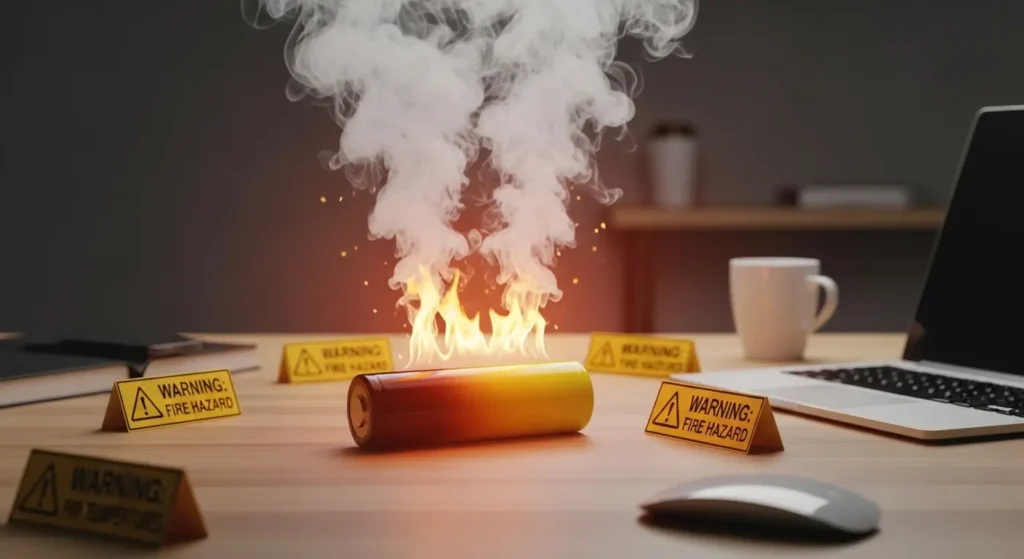
Thermal runaway is the technical term for the chain reaction that causes battery fires. Here’s what happens: when a lithium-ion cell becomes damaged, overcharged, or overheated, the internal temperature rises. At approximately 194°F, the separator between positive and negative electrodes begins breaking down. This allows direct contact between electrodes, creating an internal short circuit that generates intense heat.
The heat triggers a chemical reaction in the electrolyte—a flammable liquid inside each cell. As temperature climbs past 300°F, the electrolyte vaporizes and can ignite. Because electric scooter batteries contain multiple cells (typically 20-50 cells), one failing cell can trigger adjacent cells in a cascading effect. Within 30 seconds, you can progress from a warm battery to an uncontrollable fire producing flames, toxic smoke, and sometimes explosive venting of gases.
The most dangerous aspect is that once thermal runaway begins, it’s nearly impossible to stop without specialized equipment. Water is ineffective and can even worsen the situation by reacting with certain battery chemicals. This is why prevention is absolutely critical.
Five Primary Causes of Electric Scooter Battery Fires
Physical damage to the battery pack. Dropping your scooter, curb impacts, or collision damage can create internal cell fractures invisible from the outside. These micro-fractures compromise cell integrity and can lead to delayed failures—sometimes weeks after the initial impact. Always inspect your battery housing for dents, cracks, or deformation.
Charging with incompatible or low-quality chargers. Your scooter’s charger is calibrated to deliver specific voltage and current profiles. Generic chargers may supply inconsistent power, lack temperature monitoring, or fail to terminate charging at the correct voltage. This overcharges cells, generating excess heat and potentially puncturing internal separators.
Exposure to extreme temperatures. Leaving your scooter in direct summer heat (above 110°F) or extreme cold (below 32°F) degrades battery chemistry. Heat accelerates electrolyte breakdown, while cold can cause lithium plating on electrodes. Both conditions increase internal resistance and fire risk during subsequent charging cycles.
Manufacturing defects and counterfeit batteries. Budget manufacturers sometimes use grade-B cells rejected by premium brands, or they skip critical safety features like thermal fuses and pressure relief valves. Counterfeit batteries claiming to be OEM replacements may contain no safety circuitry whatsoever.
Battery age and degradation. Lithium-ion batteries typically last 300-500 charge cycles before significant capacity loss. As cells age, internal resistance increases, generating more heat during charging. Cells that once charged safely may become hazardous after 2-3 years of regular use, especially if frequently drained to 0%.
Essential Prevention Strategies for Safe Battery Operation
Step 1: Choose Quality-Certified Scooters and Batteries
Begin your safety journey at purchase. Look specifically for scooters with UL 2272 certification (US standard) or EN 15194 certification (European standard). These certifications mean the entire scooter system—battery, charger, and electrical components—has undergone rigorous fire safety testing including overcharge protection, short circuit resilience, and impact resistance.
Research the manufacturer’s reputation through consumer safety databases. Avoid deals that seem too good to be true; a quality electric scooter with proper safety certifications typically costs $400-$1,200. Models priced significantly below this range often cut corners on battery management systems (BMS) or use cells that failed quality control at legitimate manufacturers.
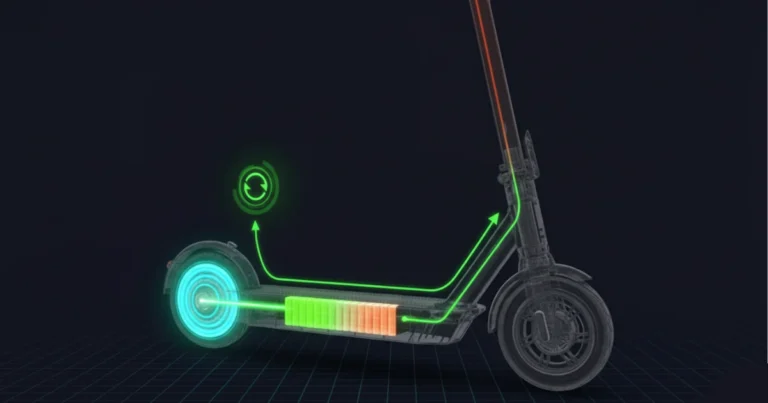
When evaluating battery specifications, verify that the battery management system includes:
- Overcharge protection (cuts power at full charge)
- Over-discharge protection (prevents battery from draining completely)
- Temperature monitoring (shuts down if cells exceed safe temperature)
- Cell balancing (ensures all cells charge evenly)
- Short circuit protection (isolates battery if electrical fault detected)
Request documentation proving these features exist. Reputable manufacturers provide detailed specifications; evasive responses should raise immediate red flags.
Step 2: Master Safe Charging Practices
Create a dedicated charging station that minimizes risk. Choose a location with these characteristics: hard, non-flammable surface (concrete or tile, never carpet or wood), at least three feet from combustible materials (curtains, furniture, papers), well-ventilated space (not enclosed closets), within view or hearing range where possible, and equipped with a working smoke detector within 10 feet.
Never charge overnight or when leaving home. Most fires occur during charging, and you need to be present to respond immediately if something goes wrong. Set a timer for charging sessions—most scooters fully charge in 3-6 hours.
Monitor battery temperature during charging. The battery should feel slightly warm (90-105°F) but never hot to touch. If you notice:
- Excessive heat (uncomfortable to hold for 3 seconds)
- Swelling or bulging of the battery case
- Unusual smells (sweet, chemical, or acrid odors)
- Hissing, popping, or crackling sounds
Immediately disconnect the charger and move the scooter outdoors if safe to do so. Do not attempt to use the scooter again until a professional technician inspects it.
Use only the manufacturer-supplied charger. If you must replace it, purchase directly from the manufacturer or authorized dealers. Record your charger’s specifications (voltage and amperage) and verify any replacement exactly matches these numbers. A charger rated even 0.5V higher can be dangerous over time.
Step 3: Implement Proper Storage Protocols
Storage conditions directly affect battery stability. For daily storage between rides, keep your scooter in a climate-controlled environment between 50-77°F. Extreme temperature swings accelerate chemical degradation inside cells.
For long-term storage (more than two weeks), charge the battery to 50-70% capacity. This “storage charge” minimizes stress on cell chemistry while preventing over-discharge. Check the charge level monthly and top up if it drops below 40%. Never store a completely depleted battery—this can cause irreversible damage and significantly increase fire risk when you attempt recharging.
Avoid these storage mistakes:
- Storing in direct sunlight or near heat sources (radiators, water heaters)
- Keeping in excessively humid areas (unfinished basements)
- Storing in garages where extreme temperatures occur
- Leaving connected to charger indefinitely
- Storing in paths where physical impact is likely
If you must store your scooter in a garage or shed, consider a fireproof battery bag (LiPo safety bags designed for larger batteries). While not foolproof, these bags can contain small battery fires and give you critical extra seconds to respond.
Step 4: Conduct Regular Safety Inspections
Establish a monthly inspection routine. Examine the battery housing for warning signs: cracks, dents, bulging, discoloration or burn marks, loose connections, and corrosion on terminals.
Test the battery’s performance. Indicators of degradation include:
- Significantly reduced range (30% or more loss from new)
- Longer charging times than specified
- Battery drains rapidly even when not in use
- Inconsistent power delivery during rides
Check your charger’s condition. Look for frayed cables, damaged plug prongs, unusual heat during charging, or intermittent connectivity requiring jiggling. Replace any charger showing these signs immediately.
Document your scooter’s battery cycles if possible. Many modern scooters with companion apps display this information. Plan for battery replacement around 500 full charge cycles or when you notice significant performance degradation, whichever comes first.
Step 5: Respond Appropriately to Battery Incidents
If you detect warning signs of battery failure, act decisively. For minor concerns (slight swelling, reduced performance), discontinue use and consult a professional technician. Do not attempt DIY battery repairs—lithium-ion cells contain hazardous materials and require specialized handling.
For serious concerns (significant swelling, smoke, unusual odors, extreme heat), follow this emergency protocol:
If indoors: Power off the scooter if safe to do so. Carefully move the scooter outdoors to an isolated area away from buildings and vehicles. Do not use elevators—use stairs or ground-level exits. Alert household members and evacuate if any smoke appears. Call emergency services if fire develops.
If fire occurs: Evacuate immediately and call 911. Do not attempt to extinguish a lithium-ion battery fire with regular fire extinguishers—they’re largely ineffective. If you have a Class D fire extinguisher (for metal fires), you can attempt to control small fires, but personal safety takes absolute priority.
After the incident: Never reuse a battery that has overheated, smoked, or sparked, even if it appears to recover. The internal damage persists and future failure is highly likely. Properly dispose of compromised batteries at hazardous waste facilities—never discard in regular trash where they pose landfill fire risks.
How Battery Fire Prevention Applies to First-Time Buyers
How Electric Scooter Battery Fires Apply to First-Time Buyers
As a first-time buyer, you’re particularly vulnerable because you lack the experiential knowledge that veteran users have developed. You might not recognize the subtle signs of a problematic battery or understand why certain charging habits are dangerous. Many new buyers make predictable mistakes: purchasing based solely on price, assuming all chargers are interchangeable, ignoring early warning signs, or following casual advice from non-expert sources.
Your purchase decision sets the foundation for all future safety. Spending an extra $200-300 on a certified scooter with quality batteries might feel excessive, but it’s the difference between a reliable commuter device and a potential fire hazard. First-time buyers should prioritize established brands like Segway, Xiaomi, Apollo, or Unagi—companies with track records and customer service infrastructure.
Consider purchasing from retailers offering safety education and support. Some specialty scooter shops provide charging workshops, safety documentation, and ongoing maintenance advice. This educational support proves invaluable when you’re starting out and unsure how to interpret battery behavior.
Resist the temptation to buy secondhand for your first scooter. Used batteries carry unknown histories—previous damage, charging abuse, or age-related degradation that sellers may not disclose. Starting with a new, warranted scooter ensures you understand proper care from day one without inheriting someone else’s problems.
Best Practices for First-Time Buyers
Do establish a charging routine immediately. Consistency helps you notice deviations that signal problems. Charge in the same location, at similar times, and develop the habit of staying present during charging sessions.
Do join online communities for your specific scooter model. User groups on Reddit or dedicated forums provide real-world insights about common issues, recalls, or model-specific quirks that affect safety.
Do register your scooter and sign up for manufacturer communications. This ensures you receive important safety notices, recall information, or firmware updates that address battery management improvements.
Do invest in basic safety equipment. A smoke detector near your charging station costs $15-30 but provides early warning. A fire blanket ($20-40) can smother small electrical fires if caught immediately.
Don’t modify your scooter’s electrical system or battery. Aftermarket “performance upgrades” often bypass safety systems that prevent overcharge or excessive current draw. You void warranties and dramatically increase fire risk.
Don’t charge immediately after long rides. Allow the battery to cool for 30-60 minutes after use. Charging a hot battery accelerates degradation and increases thermal stress on cells.
Don’t ignore your scooter’s manual. Manufacturers include specific guidance based on their battery chemistry and BMS design. Generic advice doesn’t account for model-specific requirements.
Common mistakes first-time buyers make:
- Leaving the scooter in car trunks during hot days
- Using extension cords or power strips (use direct wall outlets)
- Charging in bedrooms or sleeping areas
- Ignoring the break-in charging procedure some models require
- Failing to update firmware that improves battery management
Advanced Battery Safety Optimization
Pro Tips and Optimization Strategies
Implement the 80/20 charging rule for longevity and safety. Instead of always charging to 100%, regularly charge only to 80% for daily use. Similarly, avoid depleting below 20%. This practice reduces stress on battery chemistry, extends overall lifespan by 50-100%, and decreases fire risk. Save full charges for when you genuinely need maximum range.
Monitor charging patterns through companion apps. Many modern scooters provide detailed battery analytics via smartphone apps. Review this data monthly to establish your normal baseline. Sudden changes in charging curves or cell voltage discrepancies indicate developing problems before physical symptoms appear.
Create a battery maintenance log. Record dates of charges, range achieved, charging duration, and any unusual observations. This documentation helps identify gradual degradation patterns and provides valuable information to technicians if problems develop. It also proves proper maintenance for warranty claims.
Use temperature monitoring tools. Inexpensive infrared thermometers ($20-40) let you accurately measure battery temperature during charging. Log these readings initially to understand your normal range. Any temperature exceeding your established baseline by more than 15-20°F warrants investigation.
Understand your battery’s specific chemistry. Most scooters use lithium-ion batteries, but specific chemistries vary (NMC, LFP, NCM). Research your exact battery type because optimal charging practices differ slightly. For example, LFP batteries tolerate full charges better than NMC, while NMC batteries handle cold better than LFP.
Schedule professional inspections annually. Even with perfect care, have a qualified technician inspect your battery system yearly. They can perform capacity tests, check cell balance, verify BMS functionality, and identify issues invisible to casual inspection. This typically costs $50-100 but can prevent catastrophic failures.
Future Trends Improving Battery Safety
The electric scooter industry is rapidly advancing battery safety technology. Solid-state batteries, expected to reach consumer markets by 2026-2027, replace flammable liquid electrolytes with solid materials, virtually eliminating fire risk. Early prototypes show promising results, though cost remains a barrier to widespread adoption.
Advanced battery management systems now incorporate machine learning algorithms that predict battery failure days before symptoms appear. These systems analyze charging patterns, temperature variations, and voltage irregularities to alert users of developing problems. Premium scooters increasingly include these predictive safety features.
Standardized battery packs are emerging as industry groups push for interoperability. Standardization enables better quality control, easier replacement of degraded batteries, and consistent safety certifications. This trend benefits first-time buyers by simplifying the purchasing decision.
Regulatory frameworks are tightening. New York City’s 2023 battery certification requirements serve as a model other jurisdictions are adopting. Expect mandatory safety certifications, seller accountability for battery quality, and stricter import regulations for uncertified products. These regulations ultimately protect consumers but may increase entry-level scooter prices by 10-20%.
Frequently Asked Questions
Q: How can I tell if my electric scooter battery is about to fail?
Watch for these critical warning signs: the battery feels excessively hot during or after charging (uncomfortable to touch), you notice any swelling or bulging of the battery case (even slight deformation is serious), unusual odors emerge during charging (sweet, chemical, or burning smells), charging time increases significantly (taking 2+ hours longer than normal), or range decreases by more than 30% from the battery’s original performance. Additionally, if you hear any hissing, popping, or crackling sounds from the battery area, disconnect immediately and move the scooter outdoors. Never ignore these symptoms—they indicate internal cell damage that can rapidly progress to thermal runaway.
Q: Is it safe to charge my electric scooter battery overnight?
No, charging overnight significantly increases fire risk and is strongly discouraged. Most electric scooter batteries fully charge within 3-6 hours, meaning overnight charging keeps the battery connected hours beyond necessary. While quality chargers include auto-shutoff features, these can fail, potentially leading to overcharge situations. Additionally, overnight charging means you’re absent or asleep when most fires start, eliminating your chance to respond during critical early stages. Set a timer, charge during waking hours, and disconnect once the indicator shows full charge. This simple practice dramatically reduces your risk exposure.
Q: Can I use a faster charger to reduce charging time?
Absolutely not, and this is a dangerous misconception. Your scooter’s battery management system is calibrated for the specific voltage and current delivery of its original charger. “Fast chargers” with higher amperage ratings force more current into cells than they’re designed to handle, generating excessive heat and potentially causing separator damage inside individual cells. This accelerates degradation and creates fire conditions. Even if a charger physically connects to your scooter, only use manufacturer-approved chargers with identical voltage and amperage ratings. The 30-60 minutes you might save is not worth the catastrophic risk you introduce.
Q: What should I do if my battery gets wet?
If water contacts your battery, immediately power off the scooter and disconnect any charging cables. Do not attempt to turn it on or charge it. Move the scooter to a dry location with good ventilation. Even if your scooter claims water resistance (IP54 or similar ratings), these protect against light splashes, not submersion or heavy exposure. Allow the scooter to air dry completely for at least 48-72 hours. Before attempting to use it again, have a professional technician inspect the battery compartment, electrical connections, and BMS for water damage or corrosion. Water inside the battery compartment can cause short circuits that lead to thermal runaway, even days after the exposure.
Q: How often should I replace my electric scooter battery?
Battery replacement timing depends on usage patterns rather than calendar time. Most lithium-ion scooter batteries last 300-500 full charge cycles or approximately 2-4 years with regular use. Replace your battery when you experience significant range reduction (less than 60-70% of original capacity), charging takes substantially longer, the battery no longer holds charge when stored, or visible damage or swelling occurs. If you use your scooter daily, you’ll approach replacement sooner than occasional users. Track your charging cycles if possible, and plan proactively—don’t wait for complete failure. An aging battery poses increasing fire risk, and the degradation accelerates in the final months of its lifespan.
Take Action to Protect Yourself and Others
Electric scooter battery fires are preventable with proper knowledge and disciplined safety practices. The most important takeaways are: invest in certified scooters with quality batteries from reputable manufacturers, establish safe charging routines using original equipment in monitored, appropriate locations, conduct regular inspections to catch warning signs before they become emergencies, and respond decisively to any symptoms of battery failure rather than hoping problems resolve themselves.
Your safety begins with your purchase decision. Prioritize quality and certification over price, and commit to consistent maintenance throughout your scooter’s life. Start by identifying your current charging location and evaluating whether it meets the safety criteria outlined in this guide. If not, establish a proper charging station today using the guidelines provided.